

“I can do it”:
How movement builds confidence and independence
A particular expression appears on a child's face when they manage something they couldn't do before.
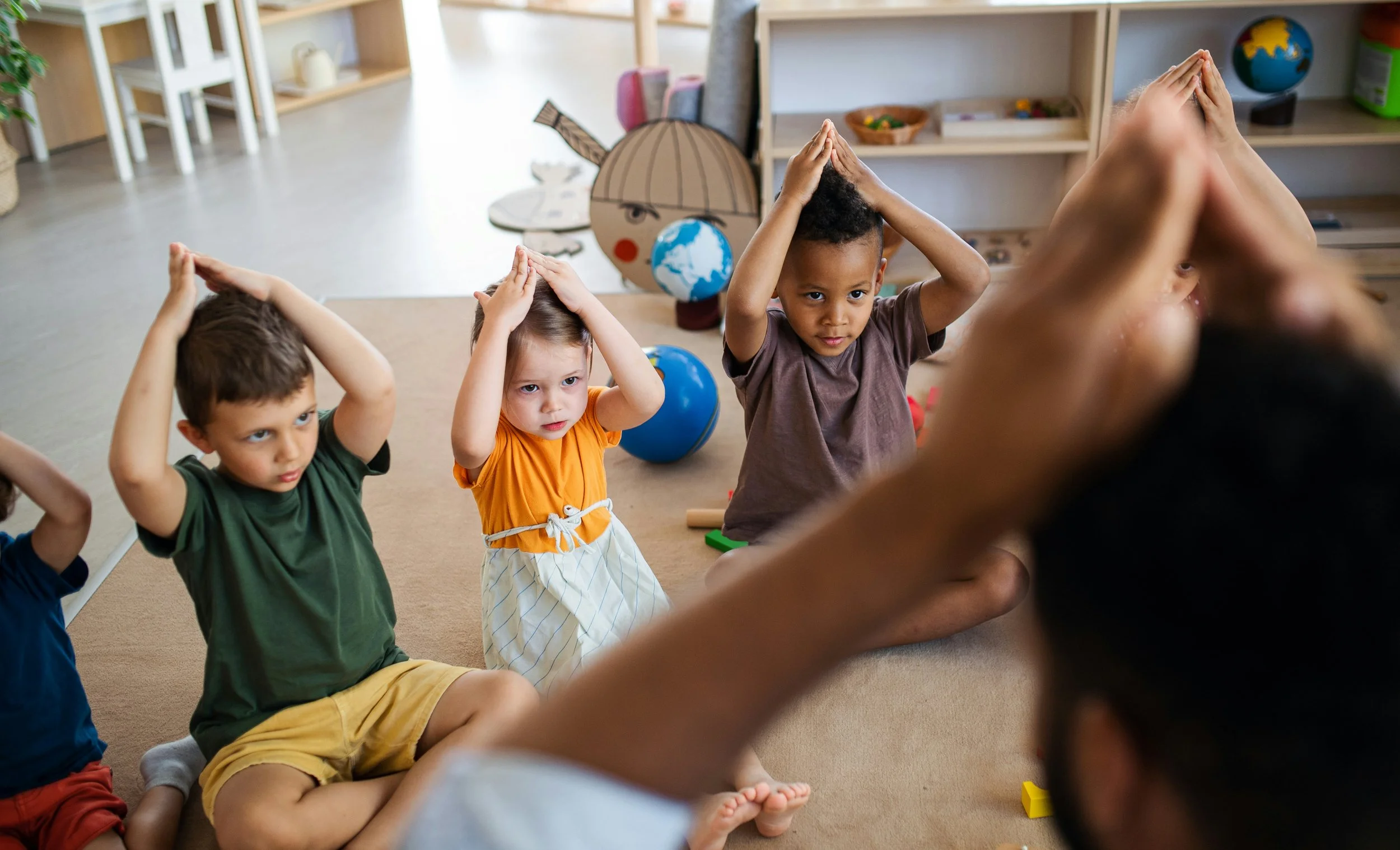
A hand reaches a little further. A foot finds the next step. A zip finally moves in the right direction. Physical development is full of moments that look small until you see the child’s face.
From early reaching and floor play to climbing, carrying and handling a paintbrush, children learn through opportunities to move and use their bodies.
The Education Endowment Foundation treats physical development as an important area of early learning, connected with other aspects of children’s development. NHS guidance also encourages active play suited to a child’s age and stage.
For adults, the challenge is often judging when to help.
Sometimes a child needs practical support. Sometimes they need an adapted activity or more time. Sometimes they need us to stay close while they work out the next part themselves.
Independence grows through appropriate support, rather than expecting every child to manage in the same way.
At St Swithun’s Nursery & Preschool, opportunities for movement sit alongside experiences that develop increasingly precise hand and finger movements. We value the effort involved, whether a child is attempting a new climb or learning to turn a page.
Progress belongs to the individual child. Comparing one child’s achievements with another’s rarely tells the whole story.
Try together: leave a little extra time for an everyday task your child wants to attempt. Offer enough help to keep it manageable, then let them take the next step.
Discover our Baby and Toddler Rooms.
Further reading: EEF: physical development · NHS: keeping your baby or toddler active.